

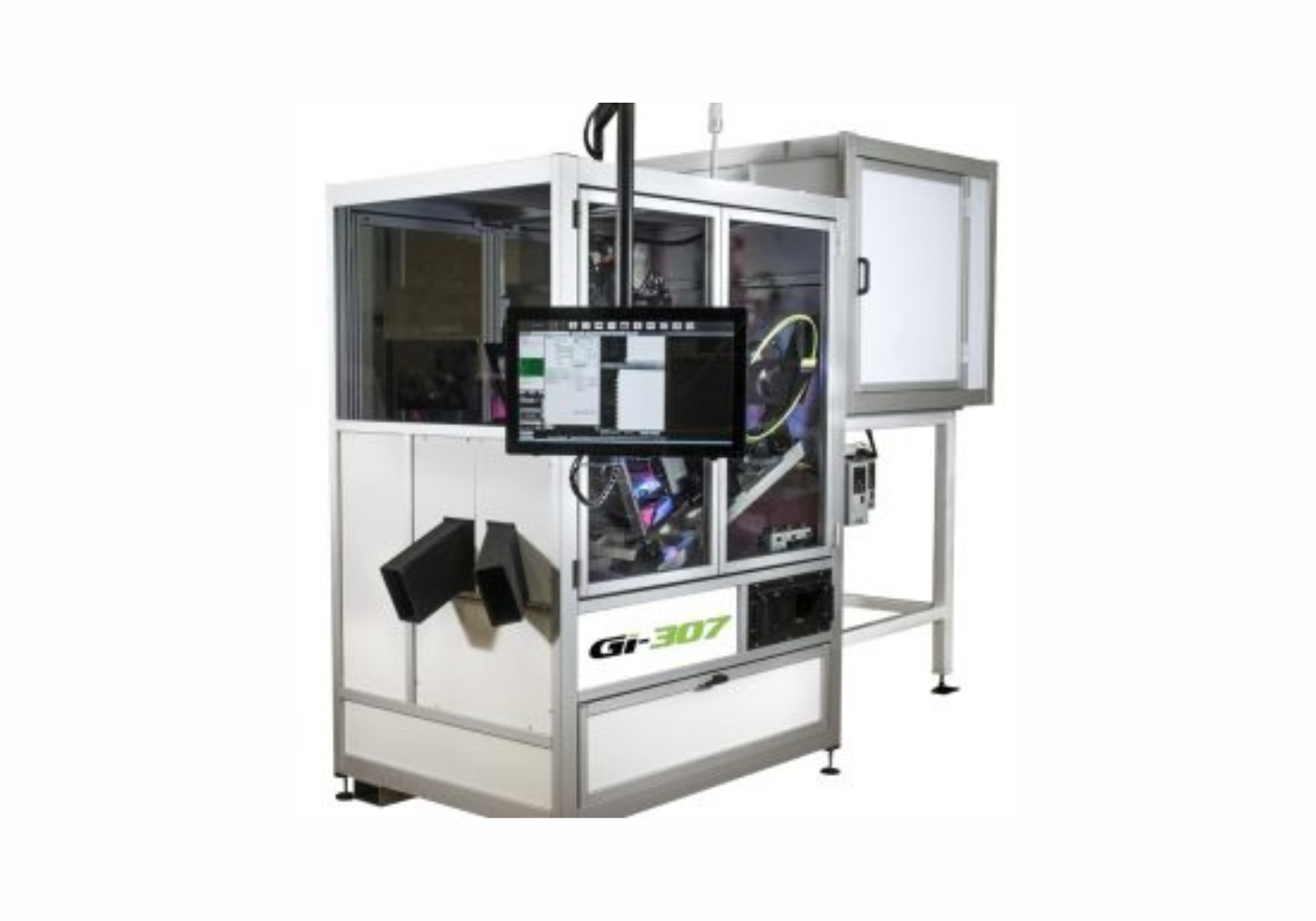
General Inspection, LLC (Gi), a provider of fastener sorting technology, has announced the successful commissioning of its GI-307 High-Speed Inspection System at four major fastener manufacturing facilities across the United States. The deployment reflects increasing adoption of highly accurate, 100% automated quality assurance systems in high-volume production environments.
The GI-307 combines 360-degree dimensional metrology with 360-degree visual defect detection capabilities. The system utilizes a gravity-fed V-track mechanism and synchronizes seven high-resolution cameras with a patent-pending sequenced lighting technique to deliver an unobstructed profile view of each inspected part.
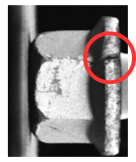
The system is engineered to inspect a wide variety of parts, including bolts, studs, pins, and screws. Its primary inspection capabilities include:
- Full Dimensional Measurement: The system captures seven distinct profiles over 360-degrees to measure critical features such as lengths, diameters, threads, radii, angles, concentricity and straightness.
- Surface and Visual Defect Detection: Integrated front-lighting allows the system to identify visual irregularities such as bad plating, dents, surface scratches, and nicks on threads.
- Thread Integrity: Specialized detection is included for missing, damaged and even misplaced thread patches.
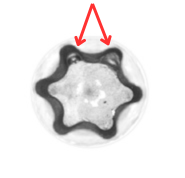
- Recess and Head Analysis: Through the On-Track Vision station, the system inspects each recess for defects including Torx fill, chipped punches, and missing recesses.
- Structural and Material Integrity: Optional stations utilize Super Eddy-Current technology to verify the presence of heat-treatment.
Advanced Crack Detection: A dedicated ten-camera station is available to detect cracks, seams, and bursts on the outer diameter of bolt heads, hexes, or flanges.
- Bearing Surface Inspection: A four-camera array specifically targets visual defects on the bearing surfaces of bolts.
Engineering for Efficiency
A primary reason for the adoption of the GI-307 is its “Inspection Technology, Simplified” philosophy. Unlike traditional bowl feeders that require complex dial plates and lengthy downtime for changeover, the GI-307 features a tool-less, rapid changeover process. Operators can transition between different parts—ranging up to 35 mm in diameter and 150 mm in length—by making a simple width adjustment.
“The GI-307 was designed for high-volume environments where uptime is the most critical metric,” said a spokesperson for General Inspection. By utilizing proprietary, menu-driven software, operators can quickly input print dimensions and tolerances, significantly reducing the risk of human error during setup.